Parker Foster · 11 September 2026
Brushstrokes Meeting Curricula: How Waterway Art Exhibitions Shape Ecology Lessons and Spur Volunteer Turnout in Tributary Towns
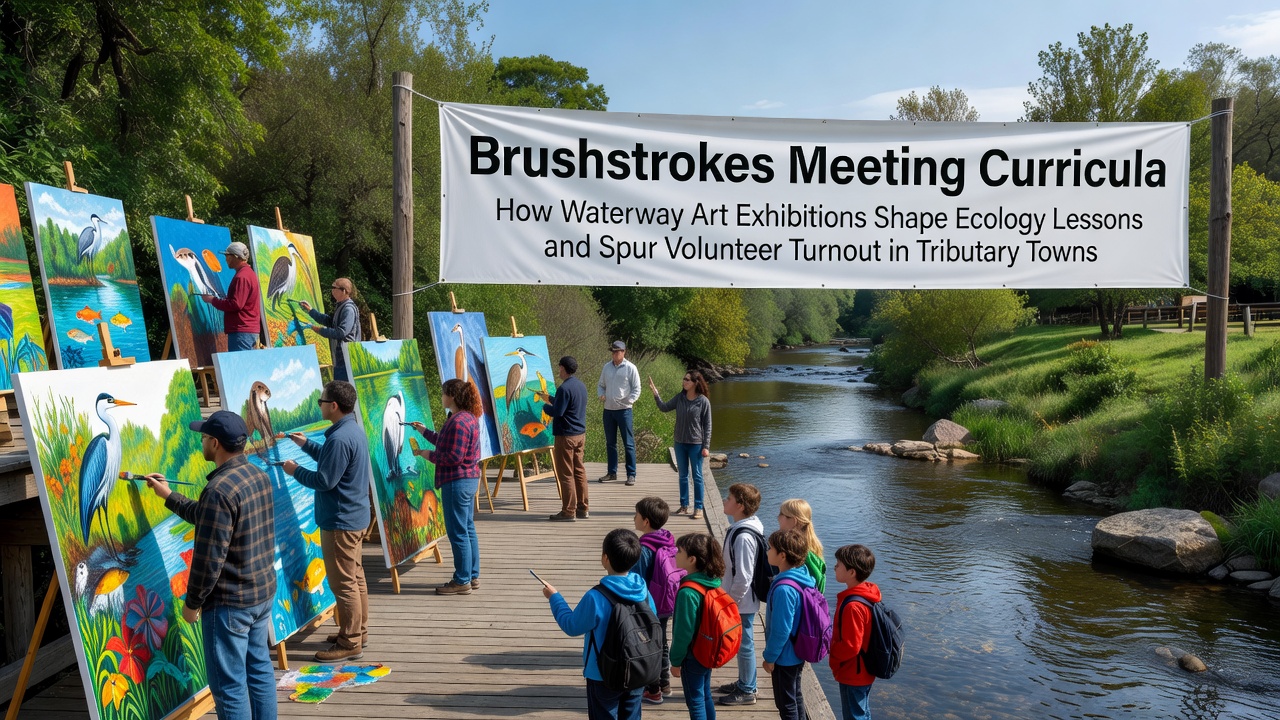
Waterway art exhibitions have integrated with school curricula across tributary towns in recent years, where artists display works depicting local streams and rivers while educators align the visuals with lessons on watershed dynamics and biodiversity. Communities along these waterways report that the combination draws students into hands-on activities, and data from regional monitoring programs shows increased participation in cleanup events following such displays. Research from academic sources indicates that visual storytelling paired with factual modules on aquatic ecosystems helps students retain concepts about nutrient cycles and habitat preservation at higher rates than traditional lectures alone.
Exhibitions often feature pieces created by local residents using materials recovered from riverbanks, which ties directly into discussions of pollution sources and remediation techniques. Teachers in these areas incorporate the artworks into science units covering macroinvertebrate sampling and water chemistry testing, creating seamless transitions from observation of the art to field measurements. Figures from environmental education networks reveal that towns hosting these events see student involvement in ecology projects rise by measurable margins during the school year.
Integration with Formal Education Programs
Curriculum developers have begun embedding waterway art into state-approved ecology modules, where paintings and installations serve as entry points for topics such as riparian buffer zones and seasonal flow variations. In several tributary regions, September 2026 programming includes coordinated exhibitions timed with the start of teh academic term, allowing districts to launch units on aquatic health with community art walks that precede laboratory sessions. Students examine artistic representations of erosion patterns before conducting their own stream assessments, and records kept by participating schools document how this sequence improves comprehension of interconnected environmental factors.
Programs in multiple states coordinate with nonprofit organizations that supply art supplies made from recycled waterway debris, reinforcing lessons on waste reduction. Observers note that these partnerships produce consistent upticks in classroom engagement, as measured by attendance logs and project completion rates. The approach extends beyond visual arts into interdisciplinary sessions that blend geography, biology, and civic responsibility.
Effects on Volunteer Participation Rates
Volunteer turnout for river restoration projects climbs in towns that host waterway art exhibitions, according to logs maintained by local conservation districts. Events that combine art openings with sign-up drives for monitoring teams attract residents who might not otherwise attend standard recruitment meetings. Data compiled by watershed alliances shows that communities with annual exhibitions register 20 to 30 percent more first-time volunteers compared to similar towns without the art component.
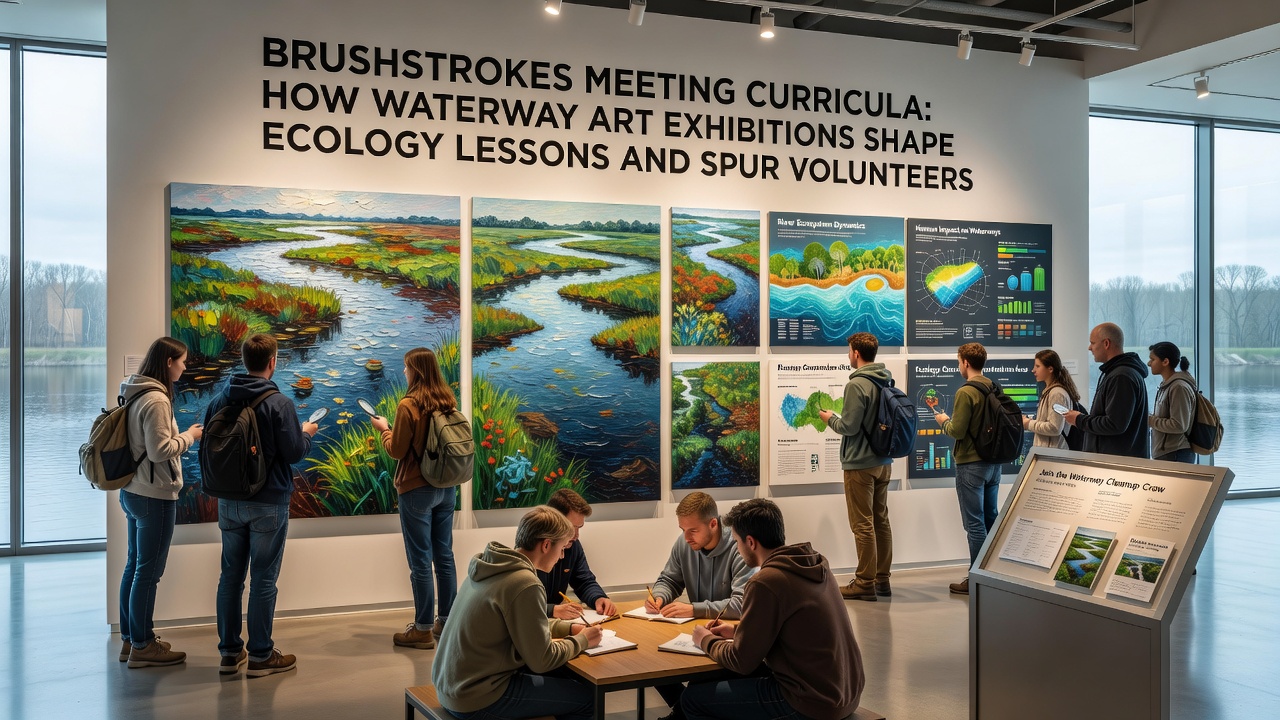
Case examples from the Midwest and Pacific Northwest illustrate the pattern: after an exhibition focused on native plant communities along stream corridors, sign-ups for planting days increased noticeably within the following month. Organizers attribute the surge to the emotional connection created by seeing familiar landscapes rendered in paint or sculpture before the physical work begins. Government agencies tracking citizen science contributions, including those in Canada and Australia, record parallel gains in data submission from volunteers exposed to such combined programming.
Longer-term tracking reveals sustained involvement, with many participants returning for subsequent seasons of water quality sampling or invasive species removal. The exhibitions function as recurring touchpoints that keep ecology topics visible in public spaces, which in turn sustains recruitment pipelines for ongoing projects.
Regional Variations and Supporting Evidence
Different tributary systems demonstrate distinct adaptations of the model. In the Northeast, exhibitions emphasize historical waterway changes through archival imagery paired with current ecological data, while Western programs highlight drought impacts via mixed-media works that incorporate sediment samples. A study conducted through Australian environmental research channels examined similar community art initiatives and found measurable lifts in local stewardship behaviors across comparable rural settings.
European programs coordinated through university extensions have produced reports showing that art-infused curricula correlate with higher rates of youth-led monitoring initiatives. Those findings align with observations in U.S. tributary towns where September 2026 exhibition schedules coincide with expanded volunteer training workshops. The pattern holds across varied geographies because the art provides a shared reference point that lowers barriers to entry for participation in technical activities.
Conclusion
Waterway art exhibitions continue to intersect with ecology education in tributary towns, producing documented shifts in both student learning outcomes and volunteer engagement levels. Records from multiple monitoring networks confirm that the visual and hands-on pairing generates sustained interest in watershed protection efforts. As communities prepare additional displays and aligned curricula for coming seasons, the available data points to an established mechanism for connecting artistic expression with measurable environmental action.